Manufactured in Greater NoidaGenuine Philips UV-C LampsIIT Patna Alumni on Our TeamExporting to 20+ Countries
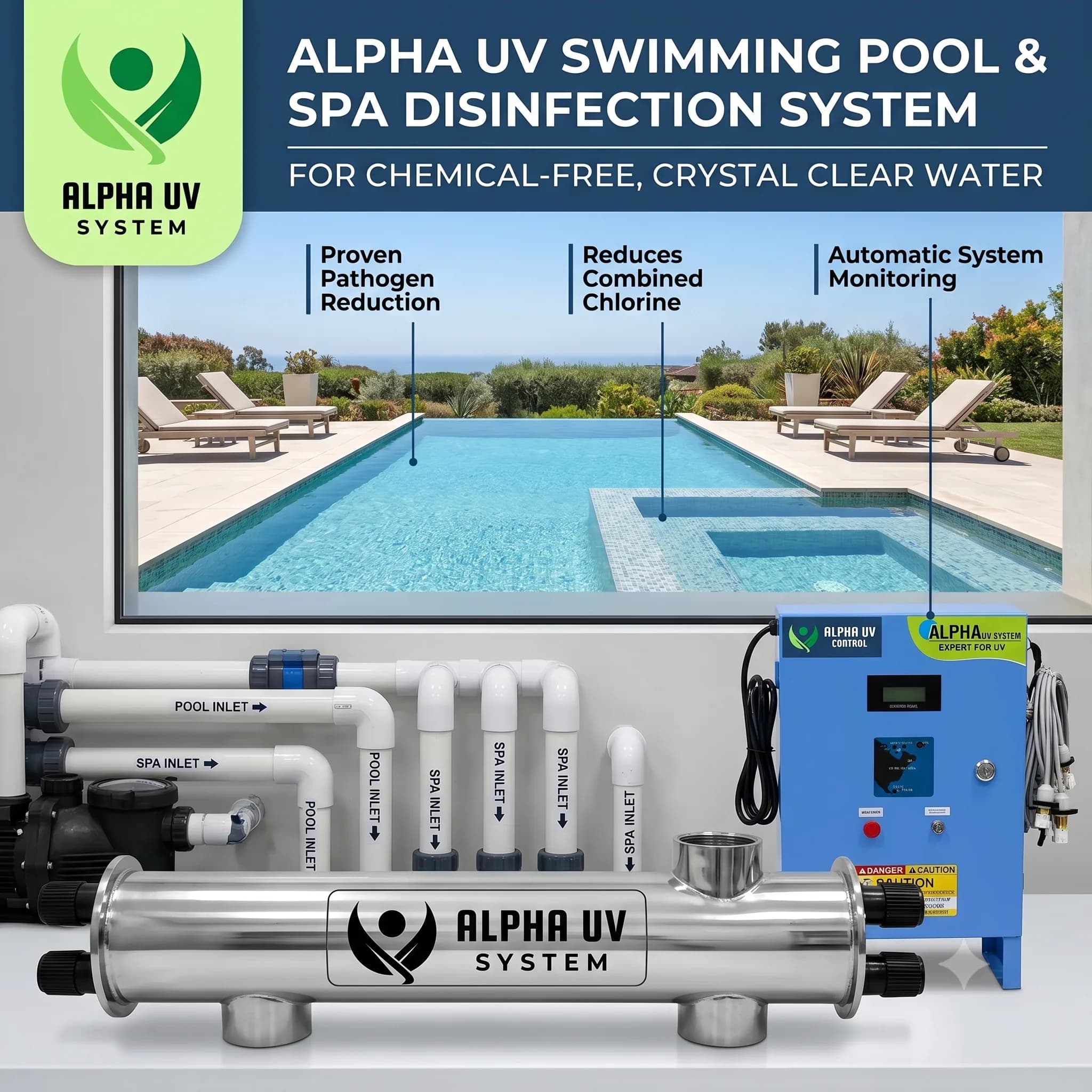
Hot tub and spa water presents unique disinfection challenges — high temperatures accelerate chemical consumption, organic bather load is intense, and pathogens such as Pseudomonas aeruginosa and Legionella pneumophila thrive at spa temperatures. Alpha UV Systems delivers medium-pressure UV disinfection for spas and hot tubs that eliminates chlorine-resistant Cryptosporidium, destroys irritating chloramines, and reduces chemical consumption by up to 80%.
UV Dose
60–120 mJ/cm²
Capacity
500 – 2,00,000 LPH
Spa and hot tub water environments are fundamentally different from swimming pools and represent a significantly more demanding disinfection challenge. Understanding these differences is essential to designing an effective water treatment system for any spa, wellness centre, hotel hot tub, or hydrotherapy facility.
The first critical difference is water temperature. Most spas and hot tubs operate at 35–42°C — the temperature range that dramatically accelerates bacterial growth while simultaneously degrading chlorine and bromine residuals faster than in cooler pool water. At 40°C, free chlorine dissipates approximately 5–7 times faster than at 25°C pool temperature. Maintaining a protective chlorine residual requires either much higher dosing rates (creating severe chloramine and by-product problems) or a supplementary disinfection barrier. UV disinfection provides that barrier continuously, every recirculation cycle.
The second difference is bather loading. A typical spa has 10–20 bathers sharing 5,000–20,000 litres of water — a bather-to-water ratio 10–20 times higher than a swimming pool. Each bather introduces approximately 14 grams of organic material (sweat, skin cells, personal care products, urine) per bathing session. This intense organic loading drives rapid chlorine consumption, feeds microbial growth, and creates high chloramine formation potential. The result is the characteristic spa smell — predominantly trichloramine (NCl₃) — that causes respiratory irritation, eye redness, and skin reactions in bathers.
The third difference is pathogen profile. Several pathogens specifically associated with spa and hot tub environments are either chlorine-resistant at safe concentrations or actively prefer the warm, skin-contact environment of hot tub water:
The dose comparison above, drawn from WHO Recreational Water Guidelines Vol. 2 (2006) and CDC guidance, reveals the critical limitation of chlorine as the sole disinfectant in spa water. Cryptosporidium requires a chlorine CT value exceeding 15,000 mg·min/L for 3-log inactivation — completely unachievable at any safe operating concentration. UV-C achieves the same 3-log Cryptosporidium inactivation at just 3.9 mJ/cm². At the 60–120 mJ/cm² doses delivered by Alpha UV Systems spa installations, Cryptosporidium inactivation exceeds 5 log (99.999% elimination).
Chlorine does not simply disinfect and disappear. When free chlorine reacts with nitrogen-containing compounds in bather organic matter — primarily urea, ammonia, and amino acids — it forms chloramines. In spa water with its high bather loading, chloramine formation is rapid and continuous.
Trichloramine (NCl₃) is the most irritating chloramine species. It is a volatile gas that escapes from heated spa water into the air above the spa surface. At concentrations as low as 0.5 mg/m³ in air, trichloramine causes burning eyes, nasal irritation, coughing, and exacerbation of asthma. Indoor spa facilities with poor ventilation can accumulate trichloramine to concentrations causing acute respiratory distress. The "chlorine smell" in indoor spa areas is almost entirely trichloramine, not free chlorine.
Dichloramine and monochloramine remain dissolved in the water and contribute to skin and eye irritation. They also reduce the disinfecting power of the chlorine residual — combined chlorine (measured as chloramines) does not effectively disinfect against pathogens.
Low-pressure UV lamps (the 254 nm type used in most budget pool systems) have minimal effect on chloramine destruction. Medium-pressure UV lamps, which emit a broad-spectrum UV-C output including wavelengths at 245 nm, 280 nm, and 302 nm, are highly effective at photolytically destroying all three chloramine types. PWTAG Technical Note 15 (UK Pool Water Treatment Advisory Group, 2016) confirms that MP-UV at 100 mJ/cm² achieves 90% reduction in combined chlorine per pass — transforming the water quality of indoor spa facilities.
The data above from Zwiener et al. (Environmental Science & Technology, 2007) and PWTAG Technical Note 15 confirms that medium-pressure UV destroys 85–96% of chloramine species per recirculation pass, compared to 15–22% for low-pressure UV. Alpha UV Systems specifies medium-pressure lamps for all spa and hot tub installations where indoor air quality and bather comfort are priorities.
Cryptosporidium parvum oocysts are the primary concern for health authorities overseeing recreational water facilities worldwide. CDC recreational water illness (RWI) data consistently identifies Cryptosporidium as the leading cause of recreational water-associated illness outbreaks in pools and spas. A single infected bather shedding oocysts during a diarrhoeal episode can introduce millions of Cryptosporidium oocysts into spa water. Under normal spa chlorination (free chlorine 2–3 mg/L), these oocysts remain fully viable and infectious for days.
The WHO Recreational Water Guidelines Vol. 2 (2006) explicitly state that ultraviolet light is the recommended supplementary treatment for Cryptosporidium control in pools and spas, as chlorine provides no meaningful protection. PWTAG, CDC, and international pool standards authorities in the EU, UK, Australia, and USA all now recommend UV treatment as the primary Cryptosporidium control method for recreational water facilities.
India has not yet experienced the wave of Cryptosporidium outbreaks that forced this change internationally — but with growing wellness tourism, luxury hotel spas, and municipal recreation facilities, the conditions for outbreaks now exist. Alpha UV Systems recommends proactive installation of UV disinfection in all commercial spa and hotel hot tub facilities.
The inactivation comparison above quantifies what WHO and CDC guidance makes clear: chlorine, even at 5 mg/L — far above the 1–3 mg/L operating range of any bather-safe spa — achieves only 0.3 log Cryptosporidium inactivation. UV at 80 mJ/cm² achieves 3.9 log. Every Alpha UV spa installation delivers a minimum of 80 mJ/cm² at maximum design flow rate, meeting the WHO benchmark for effective Cryptosporidium control.
The operating temperature of spa and hot tub water (35–42°C) directly affects UV lamp performance. This is a frequently overlooked technical consideration that significantly impacts the real-world effectiveness of UV disinfection in hot tub applications.
Low-pressure UV lamps generate UV-C by exciting mercury vapour in a glass tube. The efficiency of this process is highly temperature-dependent, reaching its optimum output at around 20–25°C (ambient pool water temperature). As water temperature rises above 30°C, LP lamp output drops progressively — at 42°C (typical hydrotherapy hot tub), LP lamp output is only 75% of rated value. A UV system specified and validated at room temperature may deliver only 75% of its design UV dose when operating in hot tub water, compromising both microbial inactivation and chloramine destruction.
Medium-pressure UV lamps operate on a different physical principle — excitation of mercury plasma at much higher internal temperatures. MP lamp output is insensitive to water temperature variation across the 20–42°C range, maintaining 100–103% of rated output across all spa operating temperatures. This makes MP-UV the technically correct choice for all spa and hot tub applications.
The temperature performance comparison above, based on data from Kowalski's Ultraviolet Germicidal Irradiation Handbook (Springer, 2009), confirms that Alpha UV Systems' medium-pressure UV units deliver consistent UV dose across all hot tub temperature ranges, while LP systems lose a significant fraction of rated performance at elevated temperatures.
Pseudomonas aeruginosa (P. aeruginosa) is the most common pathogen specifically associated with commercial spa and hot tub use. It causes hot tub folliculitis — a painful, itchy skin rash affecting hair follicles — and otitis externa (swimmer's ear), both of which are reportable conditions in commercial facilities under many state health regulations. The clinical manifestation typically appears 8–48 hours after spa use, causing significant discomfort and, in commercial settings, regulatory scrutiny and potential closure.
P. aeruginosa thrives at 35–42°C, forms protective biofilms on spa surfaces and jet nozzles that chlorine cannot penetrate, and tolerates the chlorine concentrations maintained in typical spa operations. It is also naturally resistant to many antibiotics, making bather infections difficult to treat clinically. CDC hot tub guidance (updated 2022) highlights P. aeruginosa as a priority pathogen for spa water disinfection programs.
UV-C at 60 mJ/cm² — well within Alpha UV Systems' operating range — reduces P. aeruginosa by more than 6 log in clear water (99.9999% inactivation). Combined with maintained chlorine residual for biofilm surface protection, UV treatment breaks the cycle of P. aeruginosa contamination that plagues inadequately disinfected spa facilities.
The dose-response curve above demonstrates that P. aeruginosa is among the more UV-sensitive pathogens — 1.5 mJ/cm² achieves 3-log reduction in clear water. However, in the turbid, organically-loaded water of a busy spa, effective dose delivery requires the higher UV output available from Alpha UV Systems' spa-rated units, which deliver 60–120 mJ/cm² to account for real-world water quality variation.
Annual operating cost analysis for a commercial spa (10,000–50,000 litres) confirms that UV combined with reduced-concentration residual disinfectant (0.5 mg/L free chlorine rather than 2–3 mg/L) costs approximately INR 1.4 lakhs per year — less than half the cost of chlorine-only treatment at INR 3.8 lakhs per year. The reduction comes from dramatically lower chemical consumption: UV photolytically regenerates some free chlorine from chloramines and reduces the total chemical demand by reducing organic load on the disinfection system. Bather complaint rates, water change frequency, and filter maintenance frequency all decrease with UV treatment, further reducing operational costs.
Alpha UV Systems spa units are specified for the demanding conditions of commercial recreational water:
Lamp Technology: Medium-pressure amalgam UV lamps, broad-spectrum UV-C output including 245 nm, 254 nm, 280 nm, and 302 nm wavelengths for combined chloramine destruction and microbial inactivation.
UV Dose Rating: 60–120 mJ/cm² delivered dose at maximum design flow rate, tested and certified at spa water temperature (35–42°C).
Chamber Materials: 316L stainless steel with polished interior, EPDM or Viton seals rated for continuous hot water service to 50°C.
Monitoring: Calibrated UV intensity sensor with 4–20 mA output, digital display, and automatic lamp-off safety interlock for maintenance access.
Certifications: Systems comply with WHO Recreational Water Guidelines Vol. 2 (2006), PWTAG Technical Note 15, and CDC hot tub guidance requirements.
Contact Alpha UV Systems for a spa UV disinfection system design:
WhatsApp: 9318305878 — 24–48 hour response guaranteed.
Protect your bathers from Cryptosporidium, Pseudomonas, and Legionella. Eliminate chloramine irritation. Comply with WHO and CDC guidelines for safe recreational water — with UV disinfection designed specifically for the demands of spa and hot tub environments.
Recommended Products
IIT Patna engineers recommend these systems for spas & hot tubs uv applications based on flow rate, required UV dose, and compliance standard. Both systems use genuine Philips UV-C lamps and ship with complete compliance documentation.
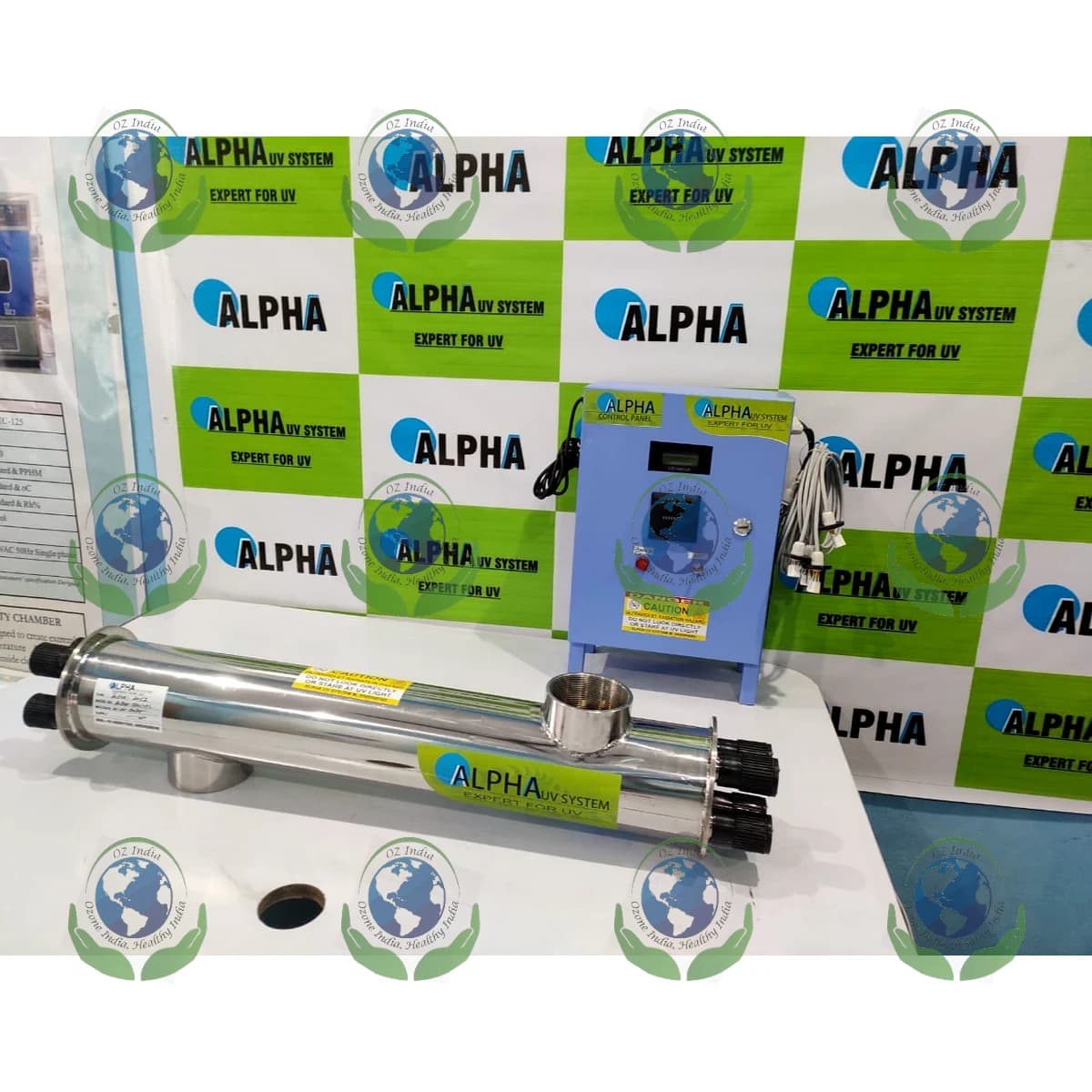
UV-C chloramine destruction for swimming pools. Philips medium-pressure UV-C lamps. Reduces chlorine consumption by 50–80%. Eliminates eye irritation. Kills Crypto — which chlorine alone cannot. For hotels, resorts, clubs, and water parks.
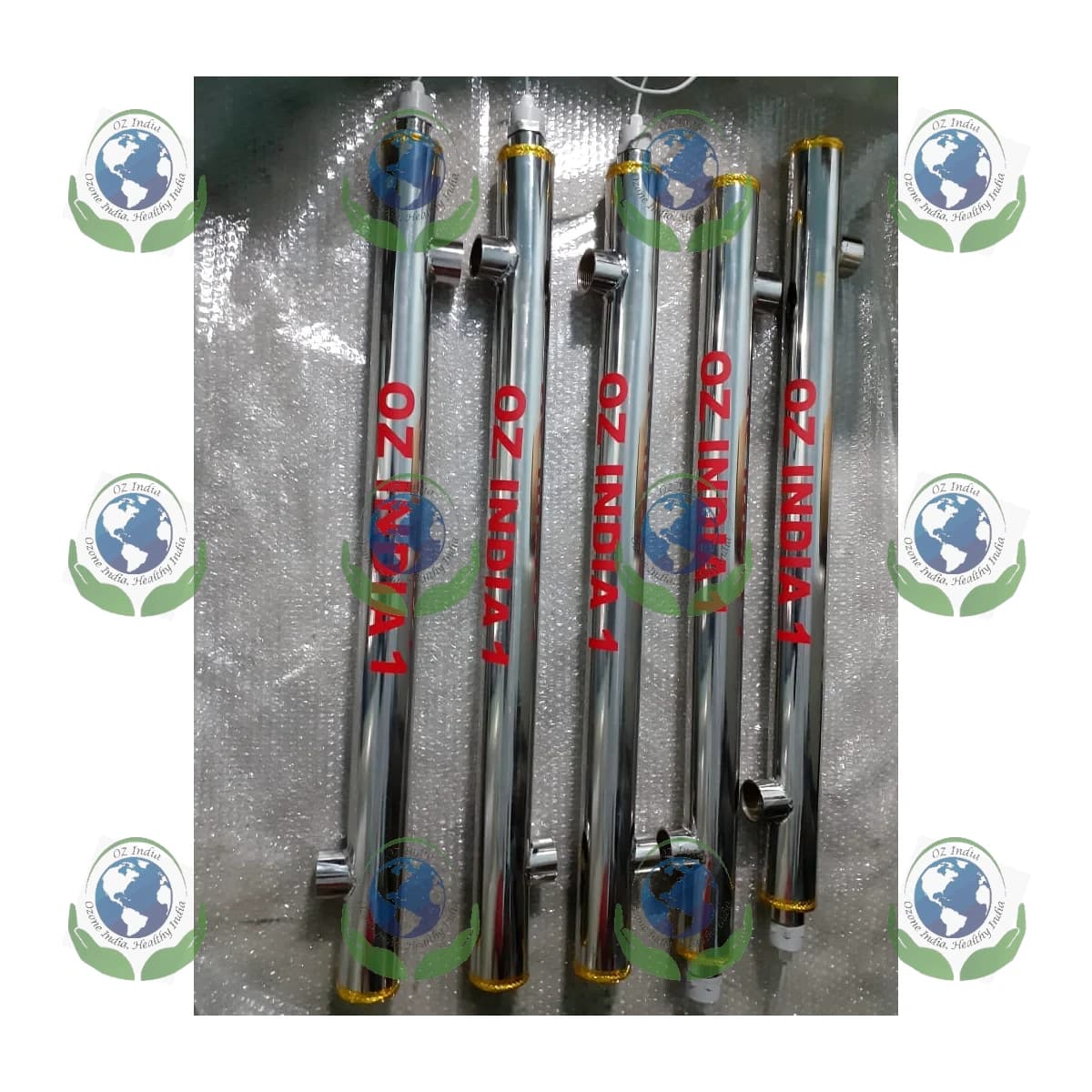
UV water disinfection for hotels, restaurants, offices, and educational institutions. HACCP and FSSAI compliant documentation. Trusted by Taj Hotels, McDonald's India, and IIT Kanpur.
IIT Patna Engineering
Alpha UV System IIT Patna engineers calculate UV dose from your actual water quality parameters — measured UVT, flow rate, target log reduction, and the specific compliance standard that governs your facility. Not from catalogue sizing tables or generic assumptions. Every system ships with a signed UV dose calculation report, a Philips certificate of authenticity, and compliance documentation prepared for the regulatory framework applicable to spas & hot tubs uv operations.
From measured UVT, flow rate, and target log-reduction. Signed by IIT Patna engineer.
WHO Guidelines for Safe Recreational Water Environments Vol. 2 (2006) · CDC Hot Tub and Legionella Guidelines · PWTAG Technical Note 15 (UV for Pools) · BIS Recreational Water Standards — documentation prepared to the audit checklist, not generic templates.
WhatsApp your flow rate, water quality, and compliance requirement — engineering-backed quote in 2 hours.
Mon–Sat · 9 AM–6 PM IST · IIT Patna alumni on call
Send us your flow rate and compliance requirement — quote with engineering rationale in 2 hours.
+91 93183 05878
Get Quote →
Call Direct
+91 95995 00580
Tap to Call →
Send Enquiry
Detailed specifications form
Open Form →
