Manufactured in Greater NoidaGenuine Philips UV-C LampsIIT Patna Alumni on Our TeamExporting to 20+ Countries
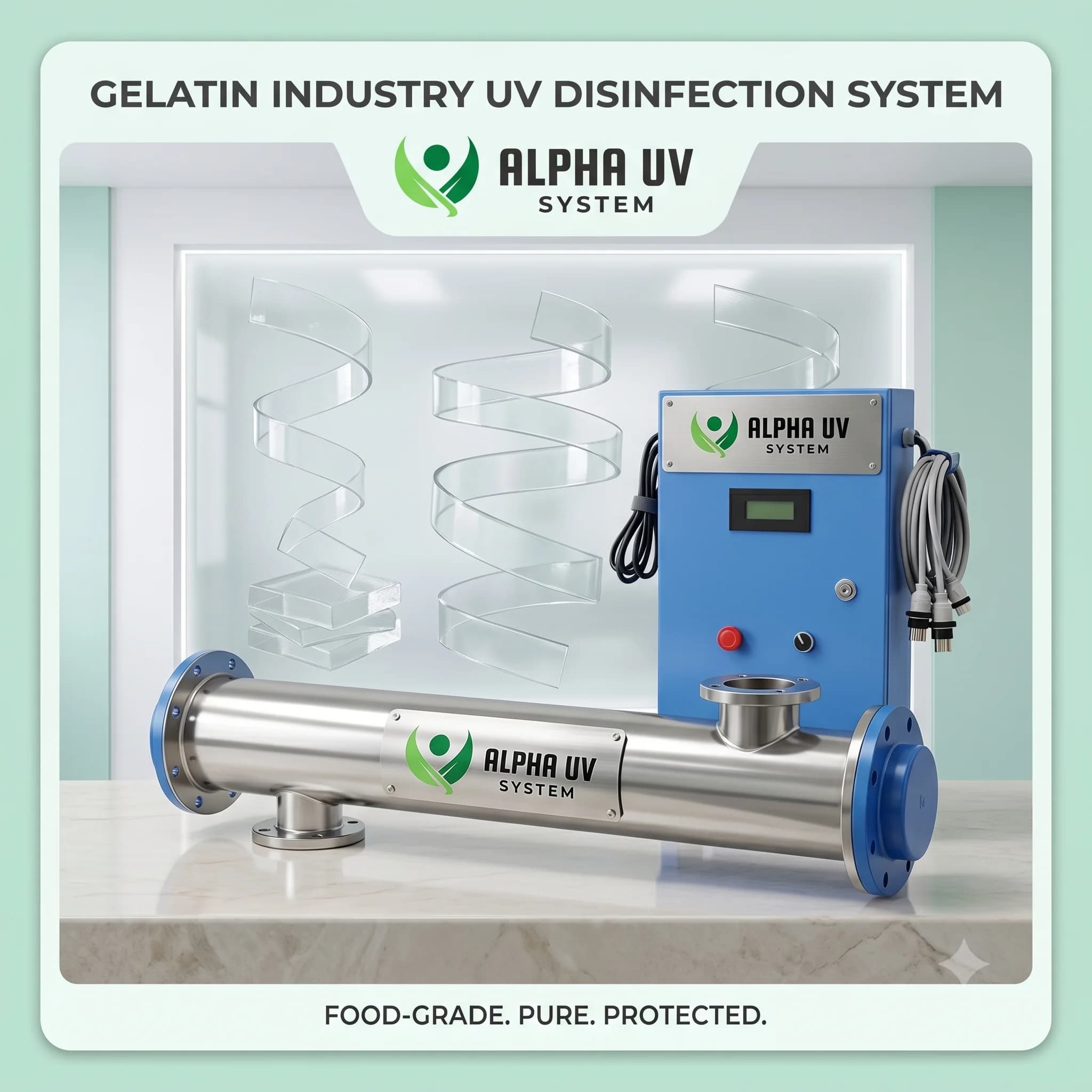
Gelatin manufacturing is one of India's key pharmaceutical and food ingredient industries, with major production clusters in Gujarat, Maharashtra, and Andhra Pradesh supplying pharmaceutical capsule manufacturers, confectionery companies, and food processors globally. The manufacturing process — involving acid/alkali pre-treatment of animal bones and hides, followed by multiple hot-water extraction, filtration, drying, and grinding stages — demands large volumes of high-quality process water at every stage. Contamination of process water with faecal bacteria, spoilage organisms, or environmental pathogens at any extraction stage can compromise entire batch quality, fail EU, FSSAI, or Halal certification audits, and cause product recalls at enormous cost. UV disinfection of gelatin process water provides the chemical-free, residual-free microbial control demanded by pharmaceutical-grade gelatin manufacturers, with 40 mJ/cm² UV doses achieving the >4-log pathogen elimination required for compliance with EU Regulation 853/2004 (food gelatin) and Schedule M pharmacopoeial gelatin quality standards.
UV Dose
40–60 mJ/cm²
Capacity
2,000–20,000 LPH
Gelatin production from animal bones (ossein) or hides (skin gelatin) follows a broadly similar multi-stage process: raw material sorting and washing, pre-treatment (acid demineralisation for bones, or alkali liming for hide gelatin), multiple aqueous extraction steps at increasing temperatures (55–95°C for successive extracts), filtration, concentration, sterilisation, drying, and milling. Water quality at each stage has direct bearing on gelatin bloom strength, viscosity, colour, and — most critically for pharmaceutical and food-grade gelatin — microbiological quality.
The pre-treatment washing stages use the largest water volumes, removing blood, fat, and surface contamination from raw materials. This water is heavily contaminated with animal-derived bacteria and is not the UV treatment priority — it goes to wastewater treatment. The extraction water that actually contacts the gelatin protein during extraction and post-extraction processing is the critical quality stage. This water must meet food-grade standards because it dissolves and carries the gelatin protein through the process. Any pathogen present in extraction water becomes entrapped in the concentrated gelatin liquor. UV treatment of extraction feed water ensures that the extraction water itself introduces zero microbial contamination, leaving only the task of controlling any organisms that grow in the extraction process at elevated temperatures.
Gelatin is used in two distinct quality grades, each with distinct water quality implications. Pharmaceutical-grade gelatin (used in hard and soft capsule manufacture) is subject to pharmacopoeial standards — USP <1221>, European Pharmacopoeia 2.2.64, and Indian Pharmacopoeia — that specify limits for total aerobic microbial count (TAMC), total combined yeast and mould count (TYMC), and absence of specific pathogens. USP gelatin limits are TAMC ≤1,000 CFU/g, TYMC ≤100 CFU/g, and absence of E. coli, Salmonella, and Staphylococcus aureus per gram. Gelatin that exceeds these limits is rejected by capsule manufacturers worldwide.
Food-grade gelatin used in confectionery (gummies, marshmallows, jellies), dairy products (panna cotta, cream desserts), and processed meats (aspic, pâtés) is subject to FSSAI IS 6938 in India and EU Regulation 853/2004 Annex III Section XIV for export. These standards require absence of Salmonella per 25 g and Staphylococci per 0.1 g, with total viable count limits varying by use. Water used in extraction of food-grade gelatin must meet IS 10500 drinking-water standards at minimum. UV disinfection of process water at 40–60 mJ/cm² ensures that the microbial quality of extraction water does not become the limiting factor in achieving these gelatin quality standards.
A significant proportion of Indian gelatin production targets the global Halal and Kosher certified markets — pharmaceutical capsule manufacturers in the Middle East, Southeast Asia, and the Americas require gelatin from Halal-certified Indian bovine (cattle) sources. Halal certification of gelatin requires, among other criteria, that all processing inputs including water meet cleanliness (taharah) standards and that no alcohol or prohibited chemical disinfectants are used in the production process. Kosher gelatin certification (relevant for Israeli, US Jewish, and European markets) similarly restricts the use of certain processing chemicals.
UV disinfection is inherently compatible with both Halal and Kosher certification requirements: it involves no chemical addition to the process water, leaves no residual, and uses only ultraviolet light — a physical process — to achieve disinfection. By contrast, chlorination introduces a chemical (hypochlorite) that must then be neutralised with another chemical (sodium metabisulphite or ascorbic acid), creating chemical residuals and documentation requirements that complicate Halal/Kosher audits. Alpha UV System works directly with Halal and Kosher certification bodies including JAKIM, ESMA, and KOF-K to provide the water treatment documentation packages required as part of gelatin facility audits.
A gelatin manufacturing plant has several distinct water treatment opportunities for UV installation. The primary UV installation point is the extraction feed water — the process water that feeds the multi-stage extraction vessels. This water should be treated to drinking-water microbial standards before entering the extraction process. A secondary UV installation point is the condensate return from steam-heated extraction — if condensate is recycled as process water (a common energy-saving practice in large gelatin plants), it must be disinfected to remove any bacteria that have colonised condensate return pipework.
A third UV application specific to gelatin is the rinse water used during CIP of extraction vessels, filtration equipment, and evaporators. If CIP rinse water is contaminated, it deposits bacteria on the internal surfaces of the equipment, which then inoculate the next gelatin batch during extraction. UV treatment of CIP final-rinse water ensures that rinsing actions deliver sterile water to cleaned surfaces, preventing CIP cross-contamination. Finally, some gelatin plants use UV for the cooling water that contacts gelatin-sheet drying belts — this indirect contact surface must be maintained in a hygienic condition to prevent surface contamination of the drying gelatin.
Indian gelatin exports to the European Union, United States, and GCC countries are subject to specific regulatory requirements. EU Regulation 853/2004 (Hygiene of Foodstuffs of Animal Origin) and the associated Commission Decision 2003/721/EC on monitoring of animal-derived imports require that gelatin manufacturing plants comply with EU hygiene standards and maintain documentation of production controls including water quality management. EU-approved establishments in India are listed on the European Commission's TRACES system and are subject to periodic inspection by FSSAI under EU-India equivalence agreements.
For pharmaceutical gelatin, exports to the USA require compliance with FDA's cGMP regulations (21 CFR Part 211 for finished pharmaceuticals, applied by reference to excipient manufacturers). The FDA's Pharmaceutical Excipients industry guidance expects manufacturers of pharmaceutical excipients (including gelatin) to maintain excipient-GMP standards; water quality documentation is a key component of GMP compliance. Alpha UV System provides a full validation documentation package for pharmaceutical-grade gelatin applications: installation qualification (IQ), operational qualification (OQ), and performance qualification (PQ) documentation templates aligned with ICH Q10 Pharmaceutical Quality System requirements, which are directly usable in FDA and EU GMP audit preparation.
Recommended Products
IIT Patna engineers recommend these systems for gelatin applications based on flow rate, required UV dose, and compliance standard. Both systems use genuine Philips UV-C lamps and ship with complete compliance documentation.
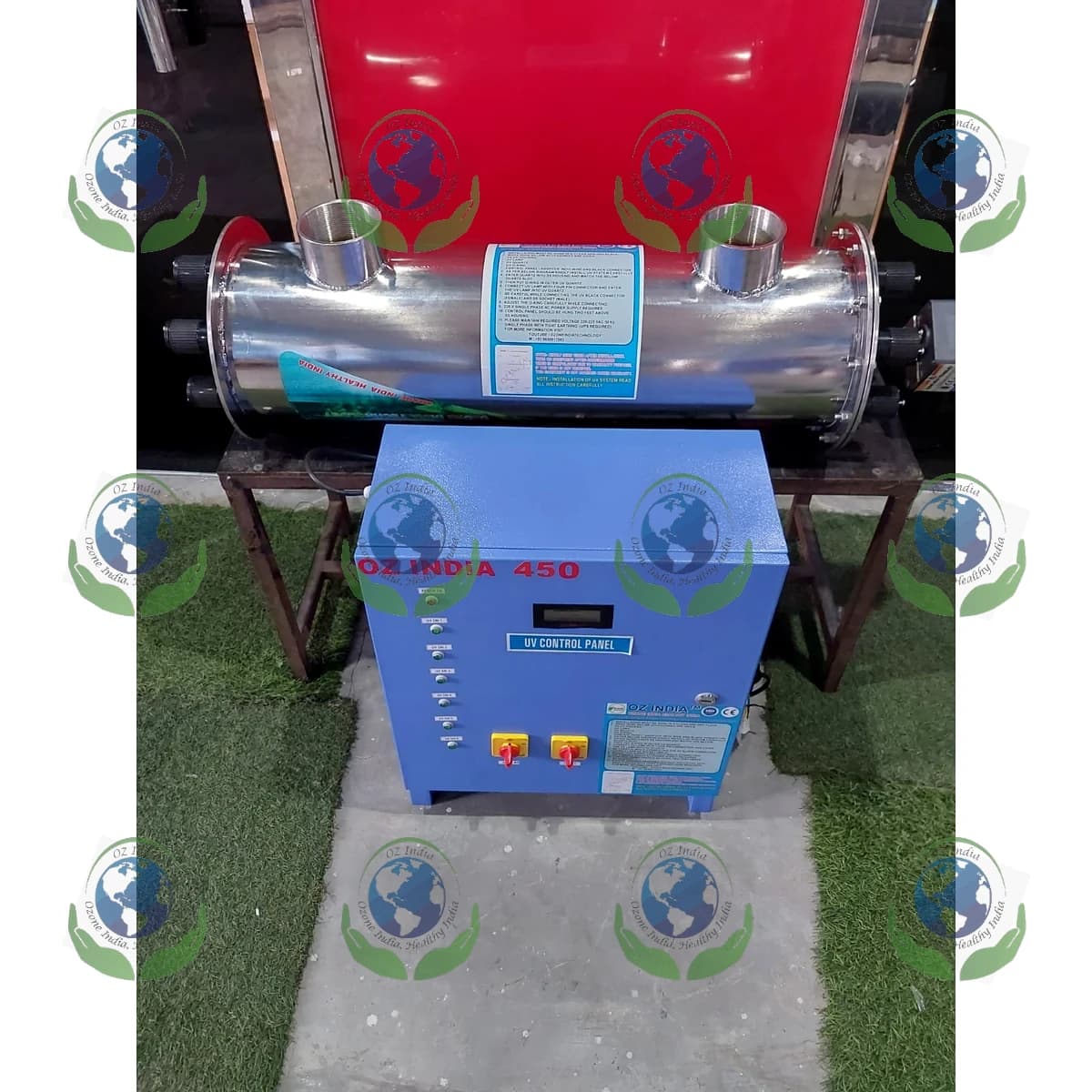
High-flow UV water treatment for pharmaceutical WFI, food & beverage process water, and industrial applications. Revised Schedule M 2025, HACCP, and FSSAI compliant. IQ/OQ/PQ documentation.
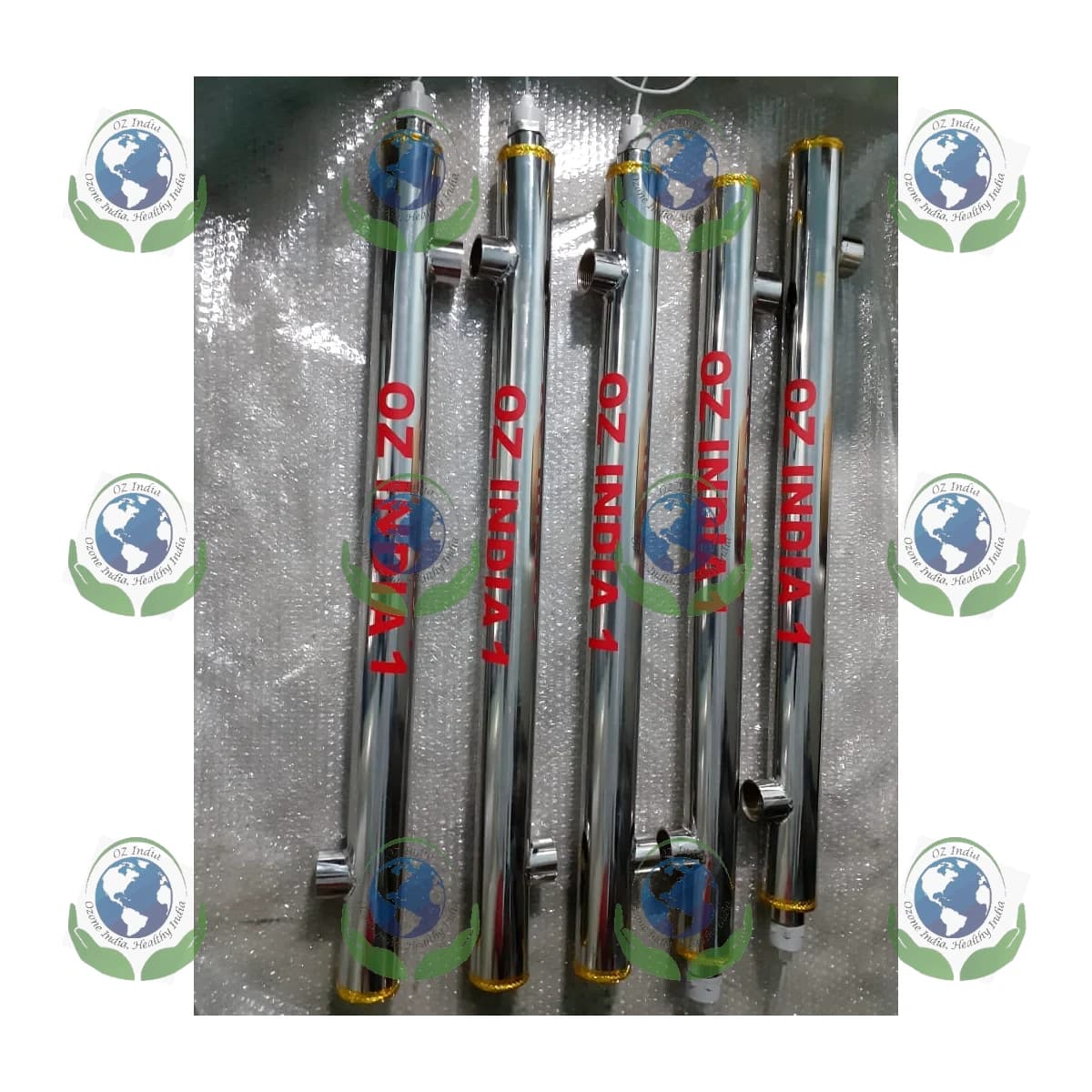
UV water disinfection for hotels, restaurants, offices, and educational institutions. HACCP and FSSAI compliant documentation. Trusted by Taj Hotels, McDonald's India, and IIT Kanpur.
IIT Patna Engineering
Alpha UV System IIT Patna engineers calculate UV dose from your actual water quality parameters — measured UVT, flow rate, target log reduction, and the specific compliance standard that governs your facility. Not from catalogue sizing tables or generic assumptions. Every system ships with a signed UV dose calculation report, a Philips certificate of authenticity, and compliance documentation prepared for the regulatory framework applicable to gelatin operations.
From measured UVT, flow rate, and target log-reduction. Signed by IIT Patna engineer.
FSSAI · HACCP · EU Regulation 853/2004 · Halal / Kosher certifications · IS 6938 — documentation prepared to the audit checklist, not generic templates.
WhatsApp your flow rate, water quality, and compliance requirement — engineering-backed quote in 2 hours.
Mon–Sat · 9 AM–6 PM IST · IIT Patna alumni on call
Send us your flow rate and compliance requirement — quote with engineering rationale in 2 hours.
+91 93183 05878
Get Quote →
Call Direct
+91 95995 00580
Tap to Call →
Send Enquiry
Detailed specifications form
Open Form →
